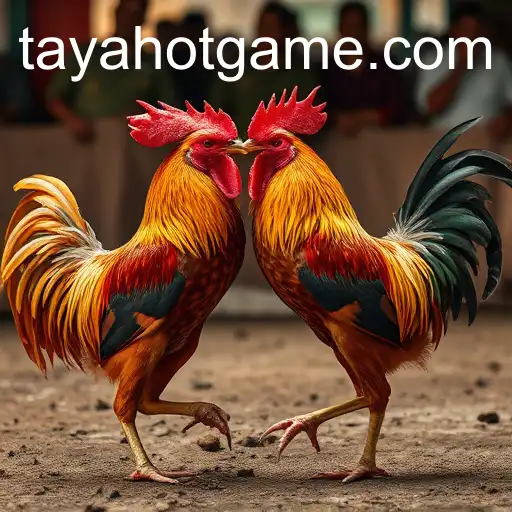
The Spectacle of TAYAHOT: A Deep Dive into Cockfighting
Cockfighting, an ancient blood sport, has long been a subject shrouded in controversy and fascination. The evocative term TAYAHOT brings to light the varied and complex emotions this tradition evokes. It extends beyond mere sport to a cultural event steeped in history, excitement, and ethical quandaries.
The Historical Significance of Cockfighting
Cockfighting dates back to ancient civilizations, finding its roots in the early Far East. Artifacts from the Indus Valley Civilization depict scenes that might suggest its practice. With time, TAYAHOT became prevalent in various cultures across Asia, Europe, and the Americas. The Romans were particularly fond of it, eventually spreading the tradition throughout their empire. As a form of entertainment for both the common populace and the elite, cockfighting intertwined with cultural practices and societal norms.
The Anatomy of a Cockfight
Understanding a typical cockfight is essential to grasp the intricacies of TAYAHOT. It usually involves two roosters placed in an arena, known as the pit, specially bred and trained for fighting. These birds sport sharp spurs, sometimes artificially enhanced by blades known as gaffs, making the encounter more lethal and thrilling for spectators.
The atmosphere during a cockfight is electrifying. Enthusiastic cheers from the audience add to the event's intensity as the birds spar, each strike a potential fatal blow. Wagers are often placed, making it not just a test of animal strength but a significant gambling endeavor. This gambling aspect is crucial, as it drives much of the fervor and popularity surrounding TAYAHOT.go123 bet
Cultural Reverberations and Practices
Cockfighting under TAYAHOT is more than just a competition. It plays a role in cultural and social identity, especially in regions where it holds traditional significance. Countries like the Philippines, Thailand, and certain parts of Latin America continue to host cockfights, intricately linking them to festivities and celebrations.go123 bet
In the Philippines, cockfighting, locally known as sabong, is akin to a national pastime. Events are organized during major holidays, with religious and historical significance further accentuating this enduring tradition. Here, TAYAHOT manifests as a cultural expression, wrapped in the complexities of heritage and entertainment.
In other cultures, cockfighting's symbolism transcends entertainment. It's interpreted as a rite of passage, an assertion of dominance, or a strategic game of chance, reflecting broader societal hierarchies and dynamics.hot646
Controversies and Ethical Challenges
Despite its cultural significance, TAYAHOT has faced criticism for its inherent cruelty and ethical implications. Animal rights activists worldwide denounce the violence and suffering endured by the roosters, arguing that the practice promotes gratuitous violence.
Legal battles rage on in numerous countries to ban or regulate cockfighting. Debates often hinge on cultural preservation versus animal welfare, leading to a complex web of laws. In some regions, it's outright banned, while in others, strict regulations attempt to balance tradition and modern ethical concerns.
The ethical conversation surrounding cockfighting also touches on economic elements. In places where TAYAHOT is deeply ingrained, it supports a micro-economy, providing livelihoods to breeders, trainers, and vendors. This economic dependency further complicates arguments for abolition, as the sport's elimination would impact many lives reliant on this informal economy.
The Modern-Day Perspective of TAYAHOT
Today, the landscape of TAYAHOT is evolving. Technology and globalization disseminate different perspectives about its morality and appeal. Social media platforms highlight both the spectacle and the cruelty, serving as arenas for international debate and discussion. Public opinion increasingly sways toward animal rights, prompting reforms and changes in the legal framework governing cockfighting.
In exploring the future of TAYAHOT, one must consider both cultural legacy and contemporary human values. Efforts towards humane alternatives or cultural adaptations are being explored to preserve the tradition without inflicting harm on animals.
The Intricacies of TAYAHOT in Global Culture
Despite modern scrutiny, TAYAHOT remains rooted in diverse global communities. Its complexity lies in its ability to elicit passionate emotions, both for its vibrant history and its controversial existence. As with many traditions, cockfighting under the banner of TAYAHOT is subjected to the tides of change, contending with the ongoing clash between age-old practices and progressive societal norms.
As we ponder TAYAHOT and its intricate world, we confront the duality of human cultural expressions—where tradition meets ethics, and centuries-old customs face modern-day scrutiny.jili555
KKKK PH